
Central Appalachia contains some of the most expansive and diverse hardwood forests in the U.S. Appalachian people have deep ties to the forests that blanket the hills—they are not just beautiful places to recreate, but working landscapes that provide income, food, fuel, and other goods.
That work is meaningful too—traditional practices like hunting and harvesting edible mushrooms or medicinal plants pass down valuable knowledge, skills and values.
LiKEN’s Forest Livelihoods program supports the stewardship of Appalachian forests in ways that prioritize local needs and traditional uses without compromising ecosystems and the benefits they provide to all people. We work with local forest stewards, small forest landowners, and forest–based businesses as well as a regional network of research institutions, non–profits and agencies that share our values:
People can lend forests a helping hand. We give people tools to better understand their forests and make informed decisions on how to manage them. There are undiscovered jewels out there: things like rare plant communities or a healthy ramp population. There are also challenges that sprout from decades of poor logging that took the best and left the rest—and new threats from invasive species like kudzu and autumn olive.
There is almost always something you can do to help a forest- whether the goal is increasing timber value for the next generation, preserving habitat for rare animals or plants, or making maple syrup.
Forests can provide livelihood and environmental benefits simultaneously. LiKEN’s Forest Livelihoods program focuses on ways to provide income and valuable goods while sustaining or improving the health of a forest. Here are a few examples:
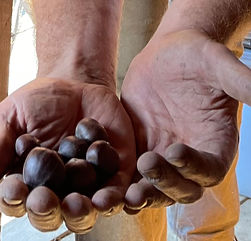
Non-timber forest products: native fruits and nuts, tree syrups, mushrooms and edible or medicinal understory plants like ramps and ginseng that occur in forests. Sustainably harvesting from existing populations or introducing new ones is called forest farming.
Sustainable timber harvests
Incorporating multi-use and marketable native trees and shrubs in conservation projects like planting along creeks and rivers (riparian buffers), reforesting old mine lands, and in pastures (silvopasture).
Nature-based recreation and tourism
People often focus on monetary value when we talk about livelihood, but many things harvested from the woods are for personal use, or to be shared with friends and families. We acknowledge that the intangible benefits of hunting or digging roots can be as important as the potential income behind what are often seasonal side-projects. We support it all!
What we do:
Provide free forest assessments of useful and marketable non-timber forest products, such as…
Offer free forest management and production plans through our Community Wealth Program.
Assist landowners and producers in finding funding for forest management, conservation projects, and forest-based enterprises through cost-share programs, grants, and technical assistance.
Host free trainings and workshops.
Introduce Appalachian producers to markets for sustainably produced forest products.
Work with LiKEN’s Stories of Place program to document traditional ecological knowledge and tell success stories about forest-based businesses and conservation.
Connect forest landowners and forest farmers through our Forest Stewardship Group.
Collaborate with the LiKEN’s Appalachian Heirs Property Coalition to make sure families can utilize their forests and move towards clear titles.
Help improve data about Appalachian forests by connecting research institutions and local citizen scientists.
To learn more about participating in our Forest Livelihood programs in Eastern Kentucky and Southern West Virginia fill out our interest form or contact Steve Kruger at skruger@likenknowledge.org.

Community Wealth from Healthy Rivers and Forests
The Community Wealth from Healthy Rivers and Forests project feautures outreach to Appalachian counties along the Kentucky and Tug Fork Rivers. In collaboration with the Center for Heirs' Property, Friends of the Tug Fork River, and the Kentucky Riverkeeper, LiKEN is working to local livelihoods through increased access to agroforestry training, resources, and markets.

Sharing Successes in Agroforestry
Forest farming plays an important role as we move beyond resource extraction-based economies. It can provide supplementary or primary livelihoods rooted in diverse, meaningful, and multigenerational cultural heritages. Sharing Successes in Agroforestry (SSIA) values this practice, the local knowledge that sustains it, and being ecologically tuned-in to the landscape.